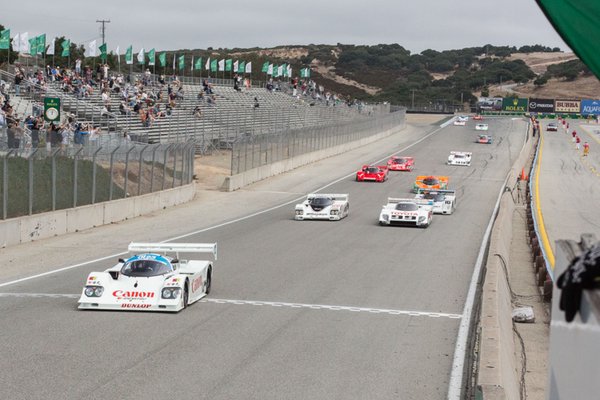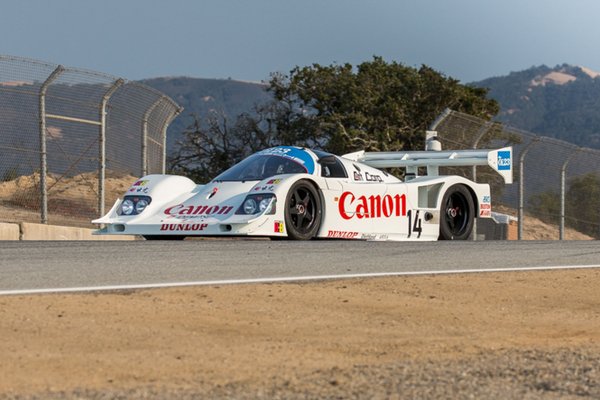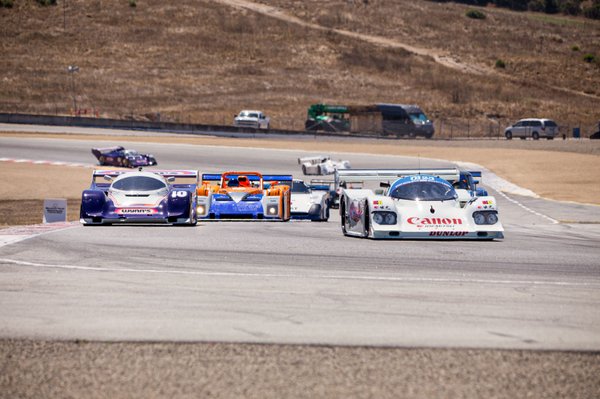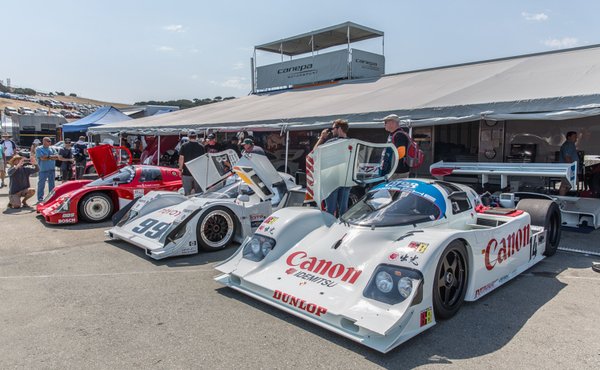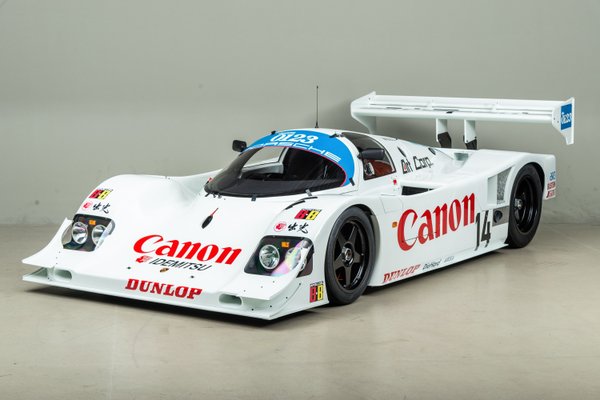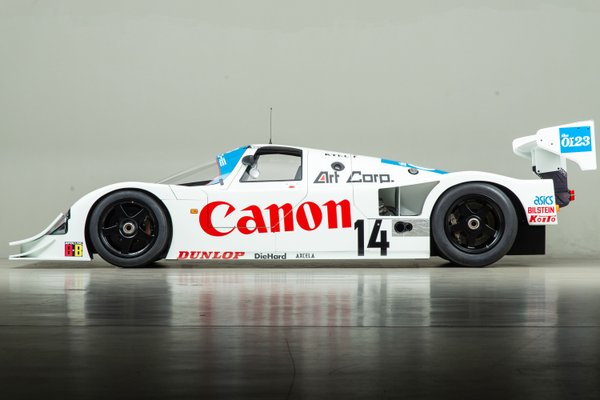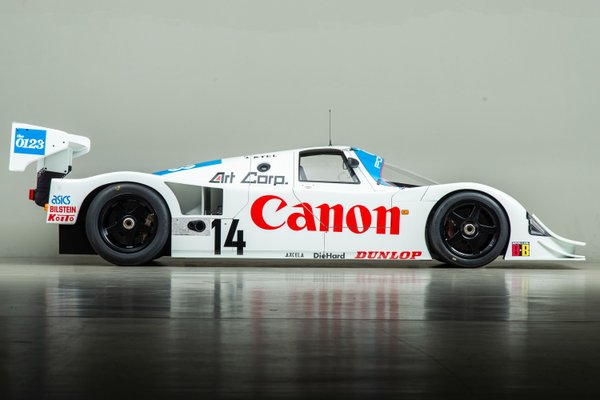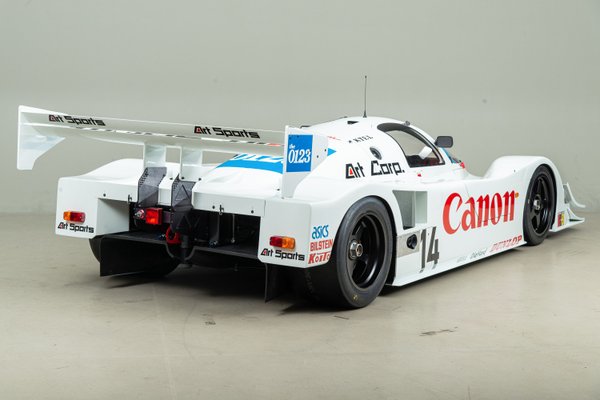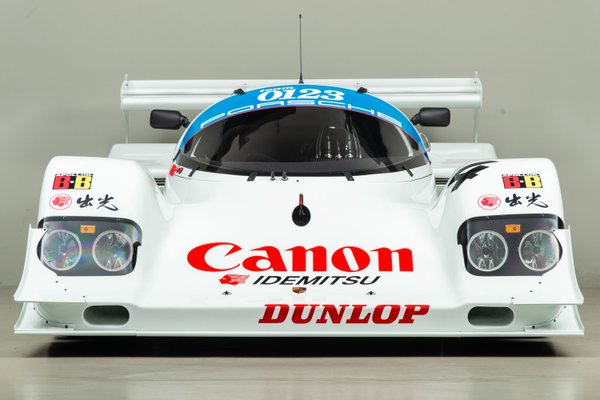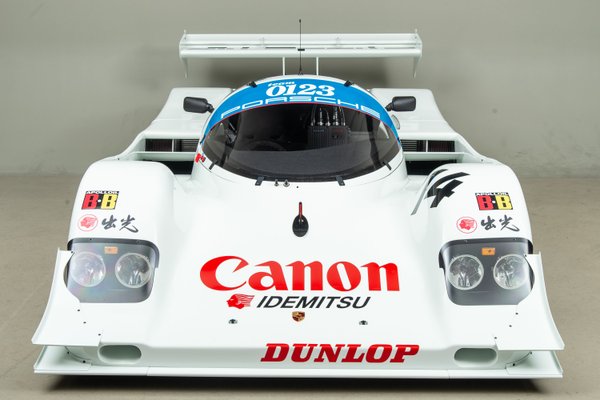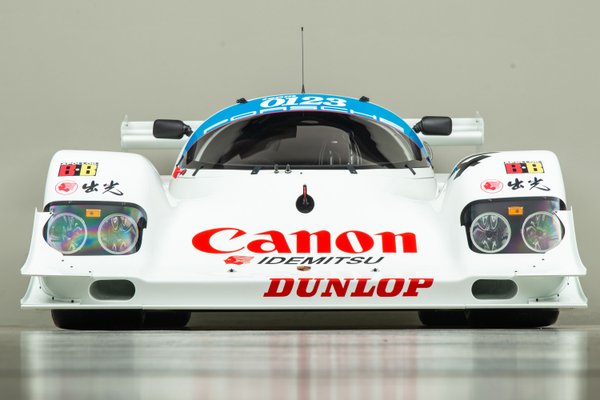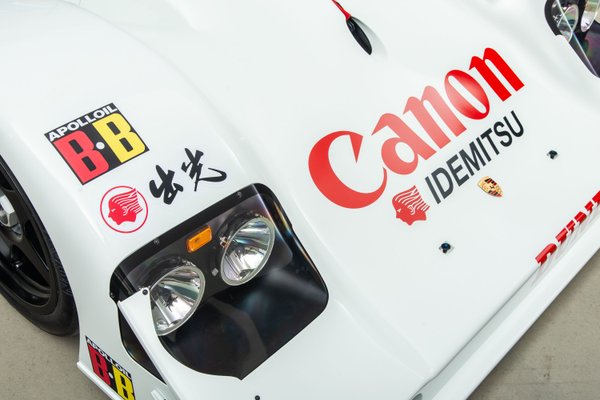


1989 Porsche 962C
VIN: TS-962-89-002
1 of 5 Porsche 962C bespoke carbon fiber composite monocoques built by Vern Schuppan
Raced at the 24 Hours of Le Mans, Silverstone, Japan’s 1,000km of Fuji and Autopolis
Bruce Canepa’s personal Porsche 962C - Top echelon of Porsche 962C variants designed
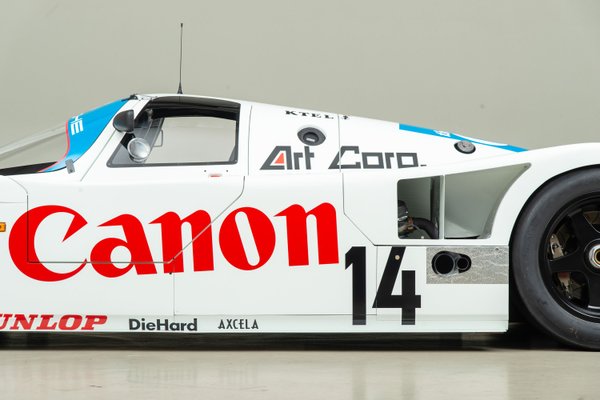
Bespoke, high downforce one-of-one bodywork created by Germany-based Dauer Racing
Completely restored by Canepa Motorsports in 2017
Currently eligible and regularly campaigned at the Rolex Monterey Motorsports Reunion
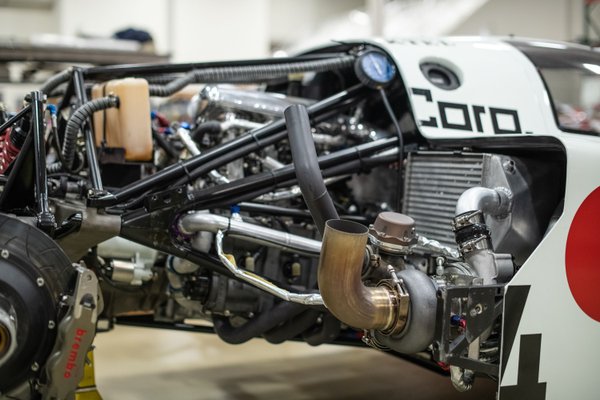
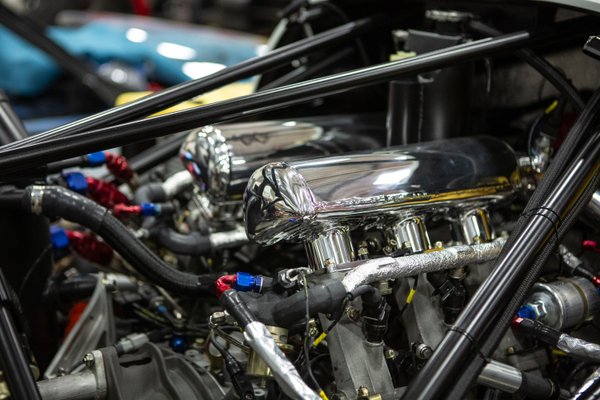
Twin-turbo 3.2L water-cooled flat six engine, 5-speed manual transmission
The Porsche 962 is a car that is revered among the racing community, built by Porsche to be one of the most dominating race cars of all time. Countless 24 Hours of Le Mans wins and IMSA championships, and paving the way all from factory-backed teams to privateers, the 962 was one of the most successful race cars of all time. Towards the end of the 1980s, teams began to notice that other race cars were starting to be revealed with bespoke ground effect design with upgraded drivetrains. Some teams kept developing the aluminum-riveted monocoque from Porsche, and others decided to innovate in a big way. One of these innovators was Vern Schuppan, Porsche race car driver and 24 Hour of Le Mans winner, creating 5 racing chassis and developing a new monocoque from a space-age material: carbon fiber.
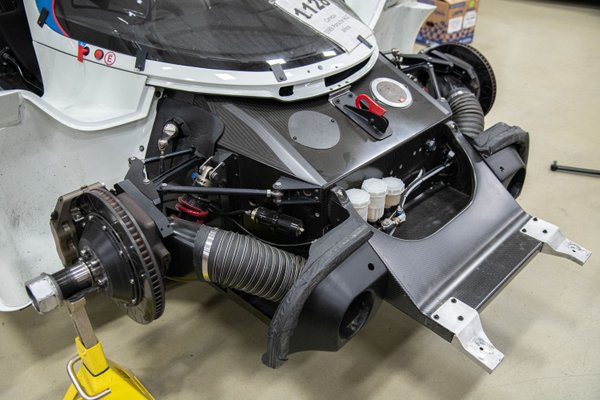
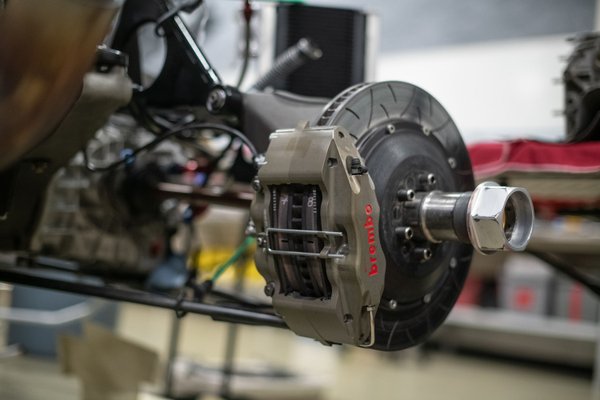
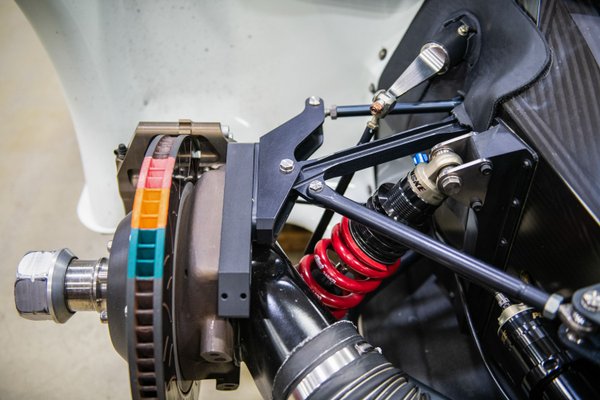
As the 962 continued into the late 1980s, newer race cars were being developed with clean sheets of paper to take advantage of ground effects. In order to innovate the 962, engineers had to think of how to optimize the chassis as much as they could with high downforce bodywork. Vern Schuppan decided that he wanted to enhance the handling and suspension, and a carbon fiber monocoque was the next logical step. Carbon fiber allowed for incredible chassis stiffness while also being lightweight. For a similar aluminum monocoque, a 962 carbon fiber tub had 3x to 4x more stiffness, allowing the suspension to do more of the work while also protecting the driver. Aided by Porsche’s technical drafts of their own aluminum monocoque with their blessing and unfettered access, Schuppan was able to design a superior carbon composite chassis that resulted in a better handling and more capable platform.
These Schuppan carbon fiber chassis, of which 5 were ever made, are better known as TS962. This chassis, TS-962-89-002 is one of those carbon composite chassis. All chassis except for one were used in the construction of Team Schuppan cars, with their cars primarily raced at Le Mans, in Japan, and the 24 Hours of Daytona in 1991 and 1992. All of the race cars were assembled at Vern Scuppan’s factory in High Wycombe, west of London in the U.K.
In 1989 carbon fiber was not a simple material that was used in everyday materials, and was still widely considered a space-age component and process. Schuppan decided that if the carbon tub was going to be built correctly, he should have those who had experience in doing it before. Ralph Bellamy carried the engineering work of the chassis, referencing Porsche’s plans to ensure technical accuracy as well as pushing the boundaries of what a 962 chassis could do. Advanced Composites Technology, LTD., the same company who supplied the carbon materials for the McLaren F1 chassis, developed the tooling and manufactured the chassis itself.
Complete listing on www.canepa.com